Introduction
In an increasingly competitive digital environment, visibility determines growth. No matter how innovative your product or service is, customers must first discover your business before they can choose it.
Search Engine Optimization (SEO) is not simply a marketing trend it is a long-term digital growth strategy that enables small businesses to compete effectively, even against larger brands.
In 2026, businesses that invest in structured SEO are more likely to achieve sustainable traffic, stronger brand authority, and improved conversion performance.
What Is SEO and How Does It Work?
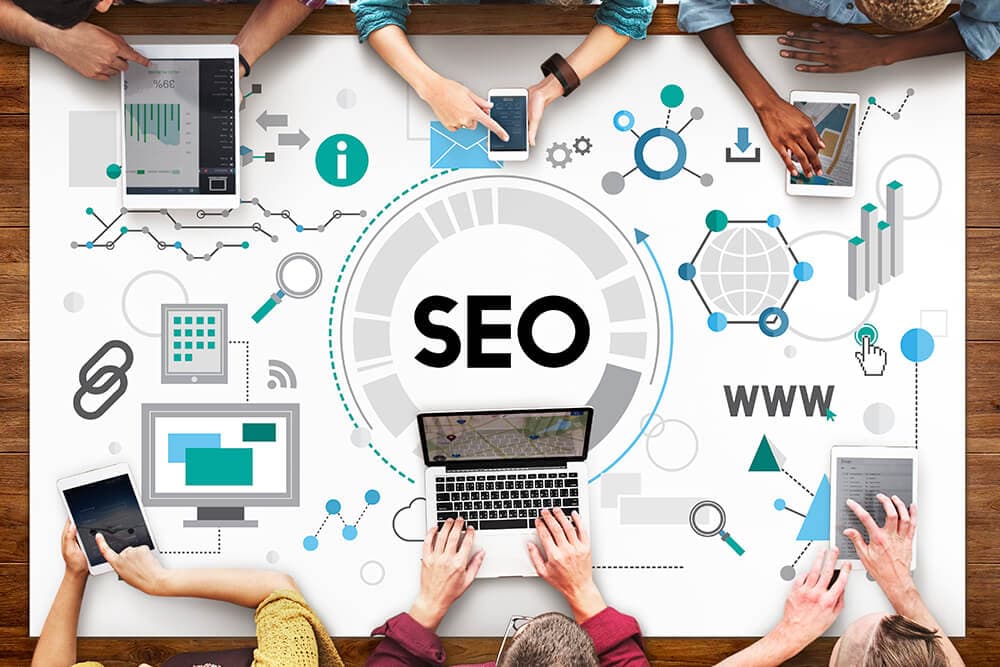
SEO (Search Engine Optimization) is the strategic process of optimizing a website to rank higher in search engine results pages (SERPs).
It works through three core components:
- Technical optimization (site speed, structure, mobile usability)
- On-page optimization (content, keywords, headings, metadata)
- Off-page signals (authority, backlinks, trust indicators)
According to Google's own documentation, search engines prioritize relevance, quality, and user experience above all else. The goal of SEO is to align your website with exactly those priorities.
Why SEO Is Critical for Small Businesses
1.It Captures High-Intent Traffic
Unlike social media scrolling, users on search engines are actively looking for a solution. When someone types "best digital marketing specialist near me" into Google, they already have purchase intent. SEO puts your business in front of that demand at exactly the right moment.
2.It Is More Cost-Efficient Than Paid Ads Over Time
Paid ads (SEM) stop generating traffic the moment your budget runs out. SEO, by contrast, compounds over time , every optimized page you publish continues working for you months and years later.
Here’s a comparison:
| Factor |
SEO |
Paid Ads (SEM) |
| Cost Structure |
Long-term investment |
Ongoing daily budget |
| Traffic Duration |
Sustainable |
Stops when budget ends |
| Trust Level |
High (organic credibility) |
Medium |
| Time to Results |
Medium to long-term |
Immediate |
| ROI Potential |
Compounds over time |
Short-term gains |
Both SEO and SEM have their place. If you are curious how they work together, explore my SEO service to see how I approach this for small businesses.
3.It Creates a Competitive Advantage
Many small businesses skip SEO because it feels slow or technical. That hesitation is actually your opportunity. Businesses that start optimizing early can establish authority in niche markets before competitors catch up.
Research from Backlinko shows that the first organic result on Google gets an average click-through rate of over 27% while results on page two get less than 1%. Being on page one is not a bonus; it is the difference between being found and being invisible.
Key SEO Elements Every Small Business Should Focus On
1.Keyword Research
Understanding what your customers are actually searching for is the foundation of effective SEO. Rather than targeting broad, highly competitive terms, focus on:
- Long-tail keywords (more specific, lower competition)
- Local search terms (especially important if you serve a specific city or region)
- Industry-specific phrases that match your services
For example, instead of targeting "marketing services," you could target "digital marketing specialist for small businesses in Yangon." Specific keywords attract higher-quality visitors who are more likely to convert.
Free tools like Google Keyword Planner are a great starting point for identifying keyword opportunities without spending anything.
2.Website Structure & User Experience
Search engines reward websites that are fast, mobile-friendly, and easy to navigate. A well-structured website not only ranks better — it also keeps visitors engaged longer, which further improves your SEO signals.
If your website needs work in this area, my Website & CMS Management service covers site structure, performance improvements, and ongoing maintenance for small business owners.
3.High Quality Content
Content builds authority. Google's helpful content guidelines emphasize creating material that is written for people first, not search engines. Strong SEO content should:
- Answer real questions your customers are asking
- Be structured clearly with headings and short paragraphs
- Use keywords naturally — not stuffed
- Include internal links to related pages on your site
Publishing consistent blog content is one of the best ways to build topical authority over time. If you are not sure how to plan that content strategically, my post on why your business needs a content plan is a good place to start.
SEO Checklist for Small Businesses
Here is a practical checklist you can follow:
| SEO Task |
Priority Level |
Recommended Tool |
| Keyword Research |
High |
Google Keyword Planner / SEMrush |
| Optimize Page Titles & Meta Descriptions |
High |
HubSpot CMS |
| Improve Page Speed |
High |
Google PageSpeed Insights |
| Create Blog Content |
Medium |
Content Planning Tools |
| Monitor Traffic (GA4) |
High |
Google Analytics 4 |
| Submit Sitemap |
Medium |
Google Search Console |
This structured approach prevents random optimization and ensures consistency.
Common SEO Mistakes to Avoid
1. Targeting Keywords That Are Too Broad
Highly competitive terms are almost impossible to rank for without established domain authority. Start narrow and specific, then expand as your site grows.
2. Ignoring Mobile Optimization
Over 60% of searches now happen on mobile devices. A site that is not mobile-friendly will be penalized in rankings and will frustrate the visitors who do find it.
3. Expecting Immediate Results
SEO is a long game. Most businesses start seeing meaningful results between 3 and 6 months after consistent optimization effort. Patience and consistency are non-negotiable.
4. Publishing Content Without a Strategy
Random posts with no keyword alignment or audience intent rarely perform well. Every piece of content should have a clear purpose and target keyword before you write a single word.
How SEO Connects to Overall Marketing Strategy
SEO does not exist in isolation. A well-optimized website strengthens every other part of your marketing:
- Social media: SEO content gives you valuable material to share and repurpose. See how social media management and SEO can work together.
- Branding: Consistently ranking for relevant terms builds brand recognition and trust over time. This is central to strong brand positioning.
- Paid ads: A website with strong SEO foundations converts paid traffic more efficiently, lowering your cost per acquisition.
Conclusion
SEO in 2026 is no longer optional for small businesses. It is a strategic foundation that supports sustainable growth, reduces dependence on paid advertising, and builds long-term digital authority.
The good news: you do not need a massive budget to get started. You need a clear strategy, consistent effort, and the right guidance.
If you are ready to build an SEO strategy tailored to your business, get in touch. I work with small businesses to create structured, results-driven digital marketing plans that actually move the needle.